A custom project starts with understanding what the finished piece actually needs to do.
Bradford Custom Metal works through the application, dimensions, material, finish, and project requirements before fabrication begins. The process is straightforward: define the job clearly, build it around those requirements, and prepare the finished work for the next stage of the project.
There is no single workflow that fits every fabricated metal project.
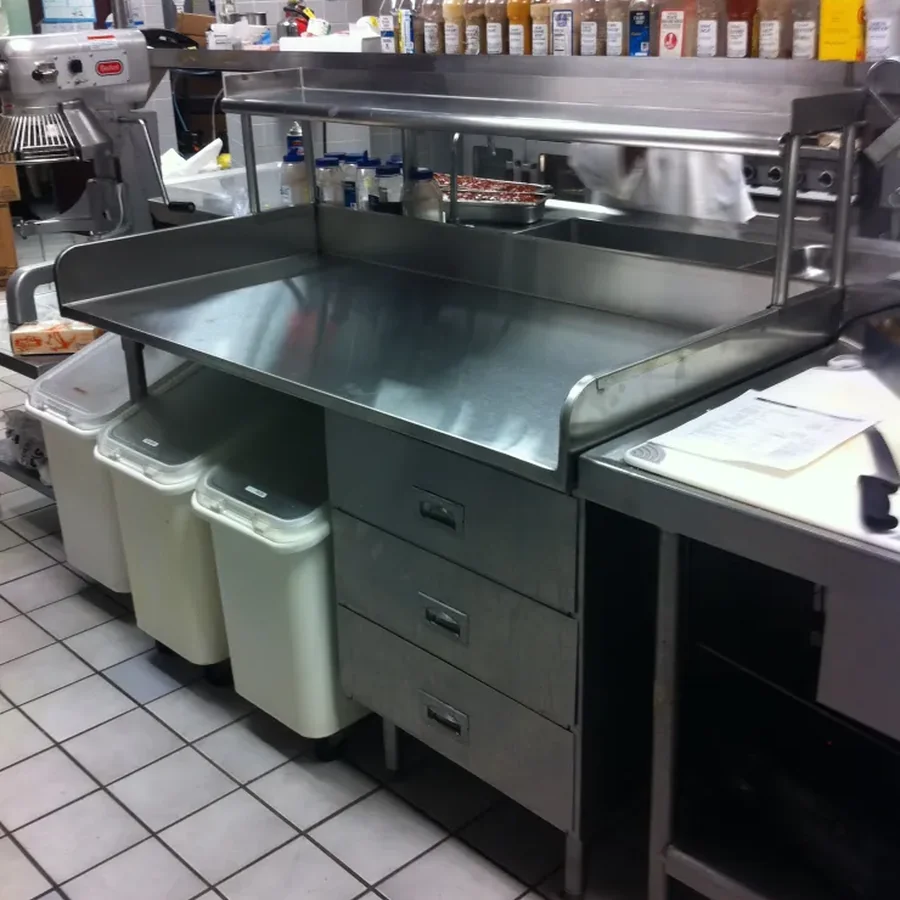
A stainless steel countertop for a commercial kitchen has different requirements than an architectural handrail, industrial duct fitting, custom vent hood, or specialty metal component. Material, dimensions, finish, surrounding conditions, and intended use all affect how the work should be approached.
The goal at the beginning is simple: understand what is being built and what matters about it.
From first conversation to finished fabrication, each stage is built around the same thing: understanding the application and keeping the important details clear.
The first conversation establishes what the project is, where the fabricated piece will be used, and what the finished result needs to accomplish.
Useful information may include intended use, approximate dimensions, project location, preferred material, desired finish, surrounding conditions, timeline, and any drawings or reference images.
Once the basic project is understood, the scope becomes more specific.
Dimensions, material choice, finish preferences, intended use, and other project-specific details are reviewed together. Small decisions can affect the finished result, so this is where those details get defined before fabrication begins.
Once the project requirements are established, fabrication begins.
The work is built around the dimensions and application defined earlier in the process. Depending on the project, that may involve cutting, forming, welding, fitting, grinding, polishing, or other fabrication and finishing work appropriate to the job.
Once fabrication and finishing are complete, the work is prepared for what comes next.
That next stage depends on the job and the larger project around the fabricated component. Clear information at the beginning helps make this stage much simpler.
A countertop may need to account for a sink, wall condition, equipment, backsplash, or surrounding cabinetry. A handrail may need to follow a particular opening, stair layout, mounting condition, or architectural detail. An industrial component may be driven primarily by dimensions, function, material, and the equipment around it.
The finish is part of the fabrication—not something considered only at the end. Visible architectural metalwork may place more emphasis on transitions, surface appearance, edges, and weld cleanup. Industrial work may be driven more heavily by function, dimensions, and operating conditions.
You do not need a perfect set of documents to start a conversation. The more clearly the project can be described, the easier it is to understand the scope and next steps.
What are you trying to have fabricated?
Where will it be used, and what does it need to do?
Basic width, height, depth, length, or other relevant measurements.
Stainless steel, blackened steel, brass, aluminum, copper, or another material if known.
Brushed, polished, blackened, or another desired appearance when applicable.
Where the finished fabrication will be used.
Any scheduling requirements or target dates that affect the project.
Drawings, plans, photographs, sketches, measurements, or reference images.
If some details are still unknown, send the information you do have.
Most projects start with a few basic questions. These are the ones that come up most often.
Send the information you already have. Dimensions, drawings, photographs, material preferences, finish requirements, project location, and intended use are all helpful. A complete drawing package is not necessary just to start a conversation.
Bradford reviews the project information to understand what is being fabricated, how it will be used, and what material, dimensions, finish, and other requirements need to be considered.
Bradford works on custom residential, commercial, architectural, and industrial metal fabrication. Projects can range from countertops, backsplashes, hoods, handrails, and shelving to industrial duct, pipe, fittings, guards, containers, and other specialty components.
Bradford fabricates stainless steel, blackened steel, brass, aluminum, copper, and other appropriate metals depending on the application.
Yes. Drawings, measurements, sketches, photographs, and reference images can help communicate dimensions, surrounding conditions, and the intended result.
Describe the application and what matters most about the finished piece. Intended use, location, appearance, cleaning requirements, exposure, and other conditions can help narrow the options.