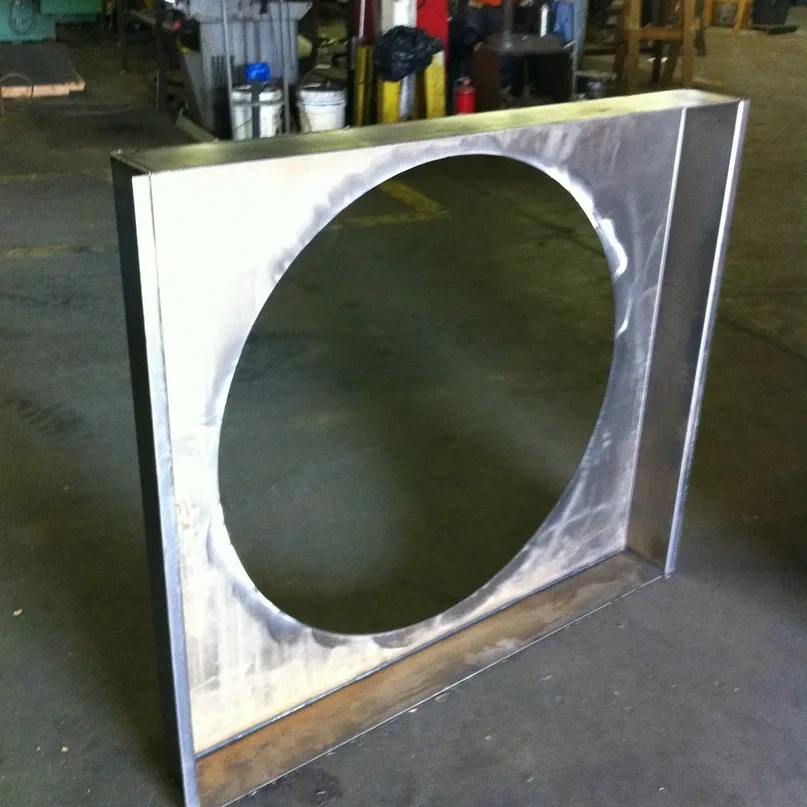
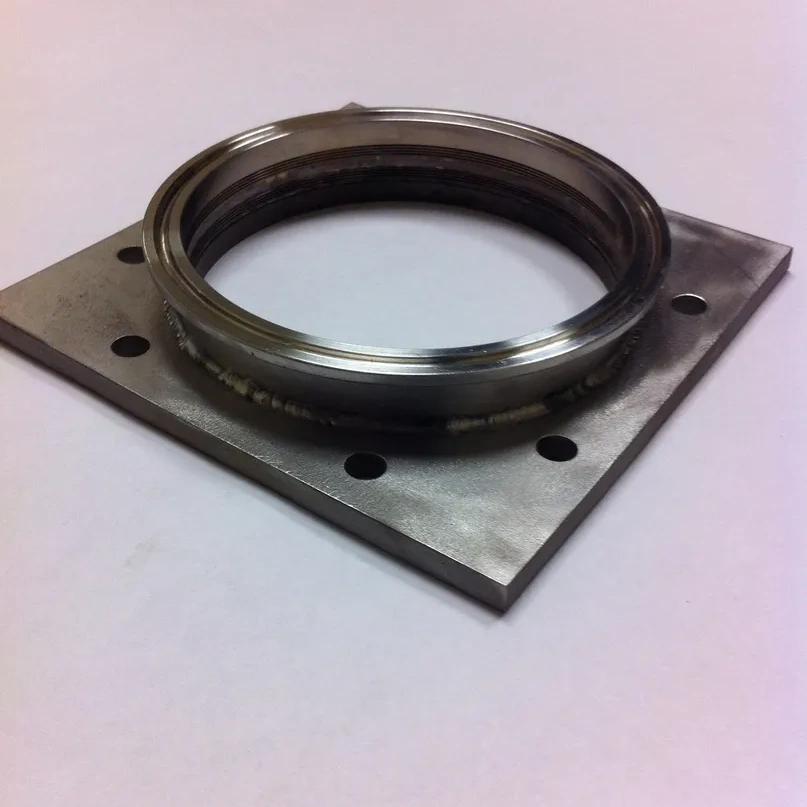
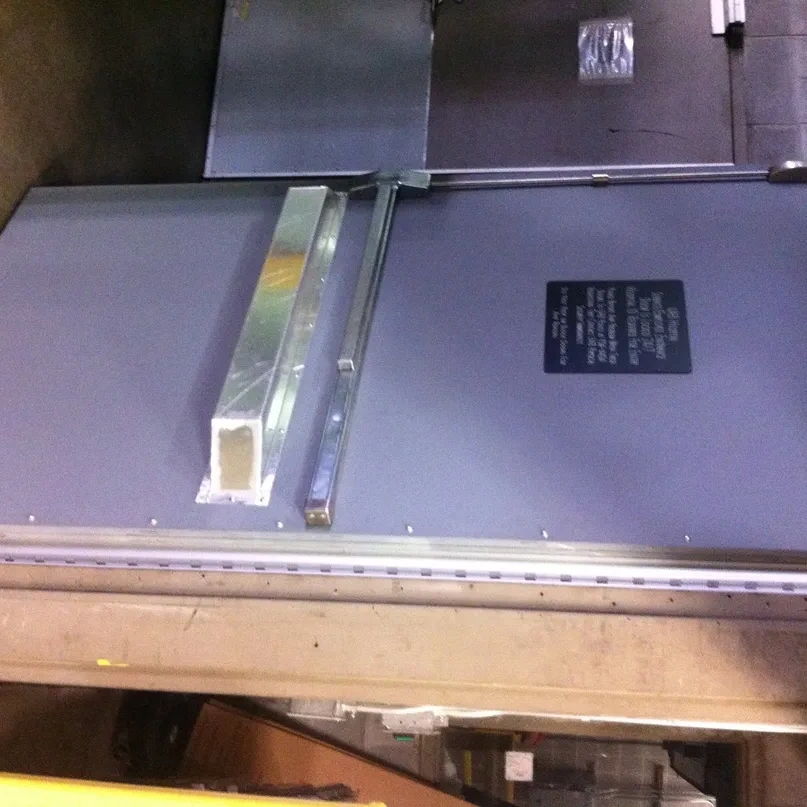
Bradford Custom Metal fabricates industrial duct, pipe, flanges, fittings, exhaust-related components, and project-specific metal parts for plants, facilities, manufacturers, and specialty industrial applications in Alabama.
Send the application, dimensions, material, connection details, drawings, photographs, or sample information you already have.
INDUSTRIAL COMPONENTS
Custom Duct, Pipe, Flanges & Fittings for Industrial Applications.
Industrial fabrication is usually defined by the application first. A replacement fitting, a section of weld duct, a flange, an exhaust component, and a one-off plant part can all look simple until the actual dimensions and connection conditions are considered.
Bradford fabricates around the information provided for the job: size, material, surrounding equipment, connection points, operating environment, and the role the finished component needs to play.
Project-specific metal components associated with industrial fume, exhaust, or capture applications when the fabrication scope is defined by the customer.
Industrial components often sit between existing equipment, connections, supports, clearances, and operating conditions. That makes the real dimensions and application more useful than a generic product label.
01
Application-Specific Fit
Connections, transitions, clearances, existing equipment, and adjacent parts can all change the fabrication even when two components share the same basic name.
02
Built for Industrial Use
Material, thickness, finish, exposure, handling, and surrounding conditions should be defined by the needs of the actual project.
03
Custom Component Support
Bradford can review one-off or project-specific fabricated components when stock material or a standard part does not match the condition.
WHERE IT IS COMMONLY USED
Industrial Work Across Plants, Facilities & Process Environments.
The same fabrication capability can serve very different settings. The project information determines what the component needs to be.
01
Manufacturing & Processing Facilities
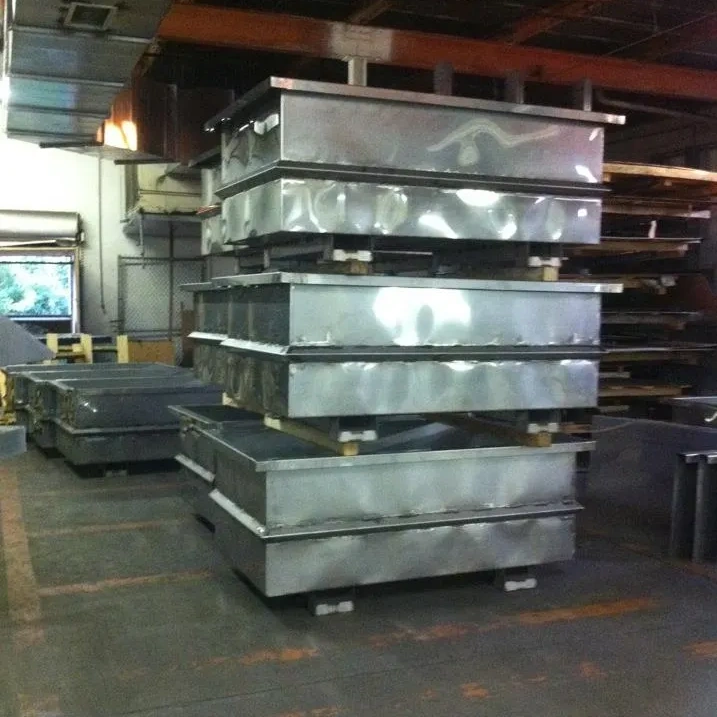
Custom duct, pipe, fittings, guards, covers, containers, and related fabricated components.
02
Plant & Facility Projects
Replacement pieces, modifications, one-off components, and fabrication tied to existing facility conditions.
03
Airflow & Exhaust Applications
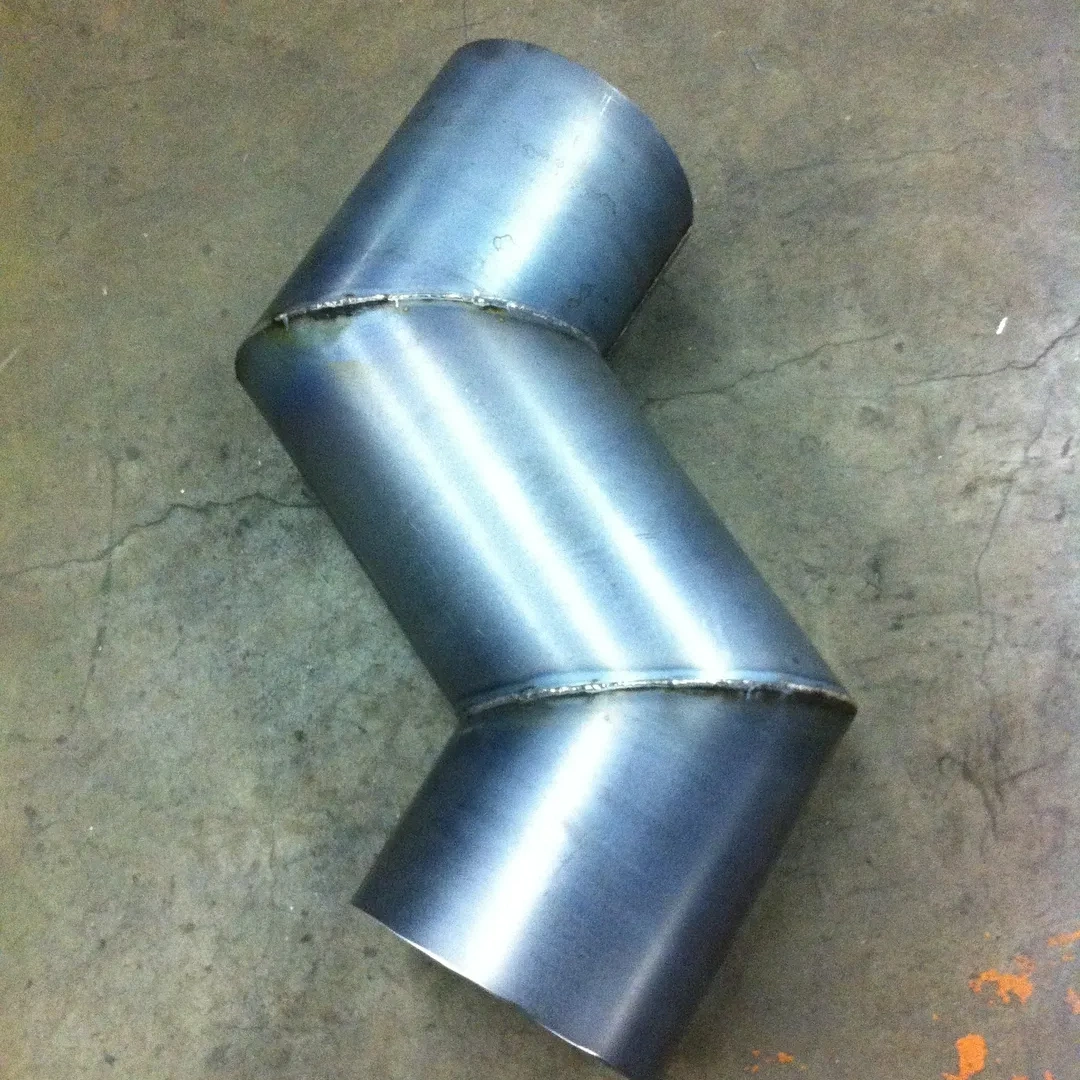
Duct, transitions, fittings, caps, and other fabricated metal pieces used around exhaust or airflow systems.
04
Pipe & Flange Connections
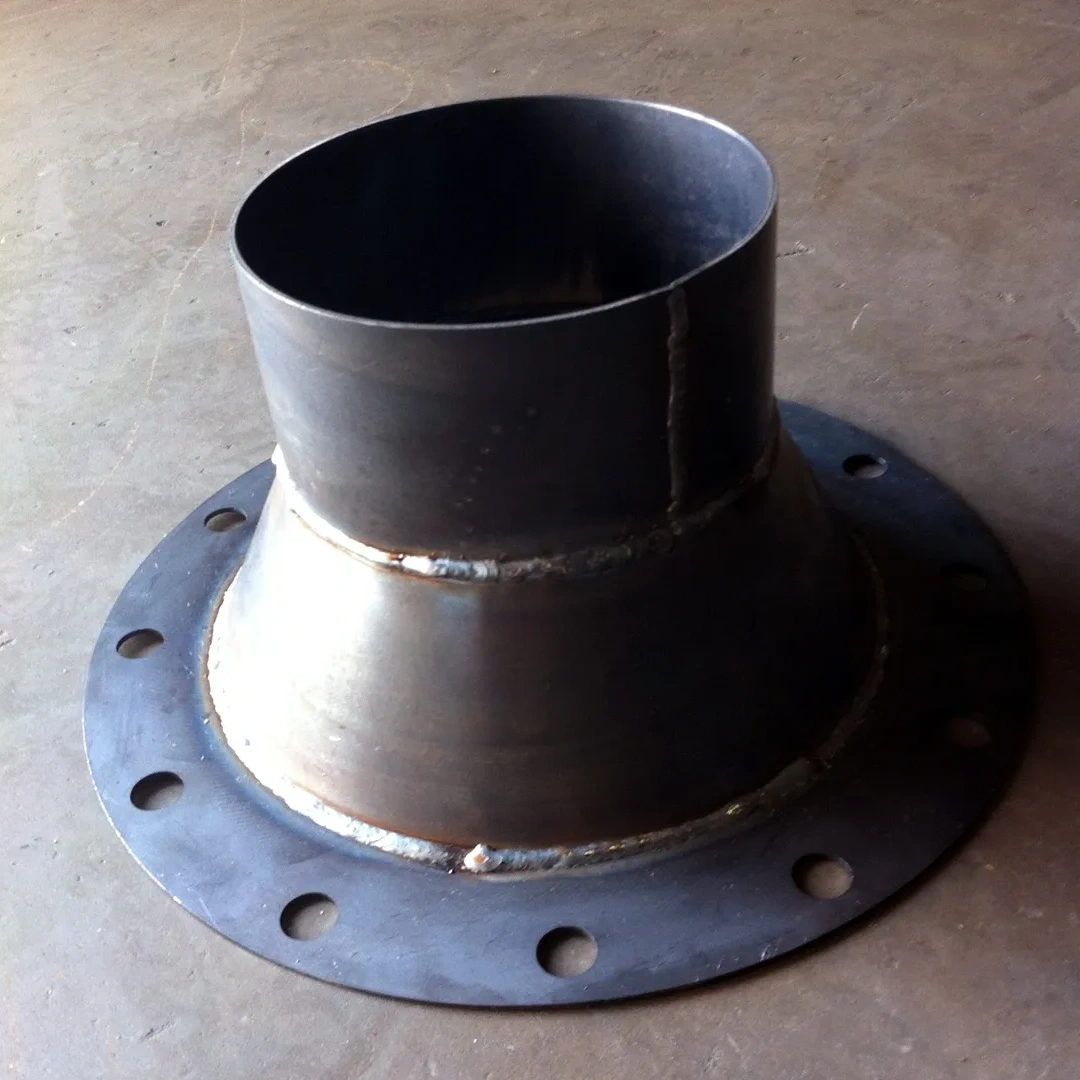
Project-defined fabricated pipe and flange components based on supplied dimensions and connection information.
05
Specialty Industrial Fabrication
Components that fall outside a normal catalog: guards, brackets, covers, containers, transitions, and one-off metal parts.
QUOTE PREPARATION
Send the Information That Defines the Part.
A useful industrial quote request does not need to start with a polished presentation. It needs enough information to understand the component.
Dimensions, material, quantity, connection details, project location, target timing, drawings, sketches, photographs, and an existing sample can all help. If a component has pressure, engineering, code, inspection, certification, or installation requirements, state those requirements clearly rather than assuming they are included.
Industrial Work Often Crosses Into Stainless & Specialty Finishing.
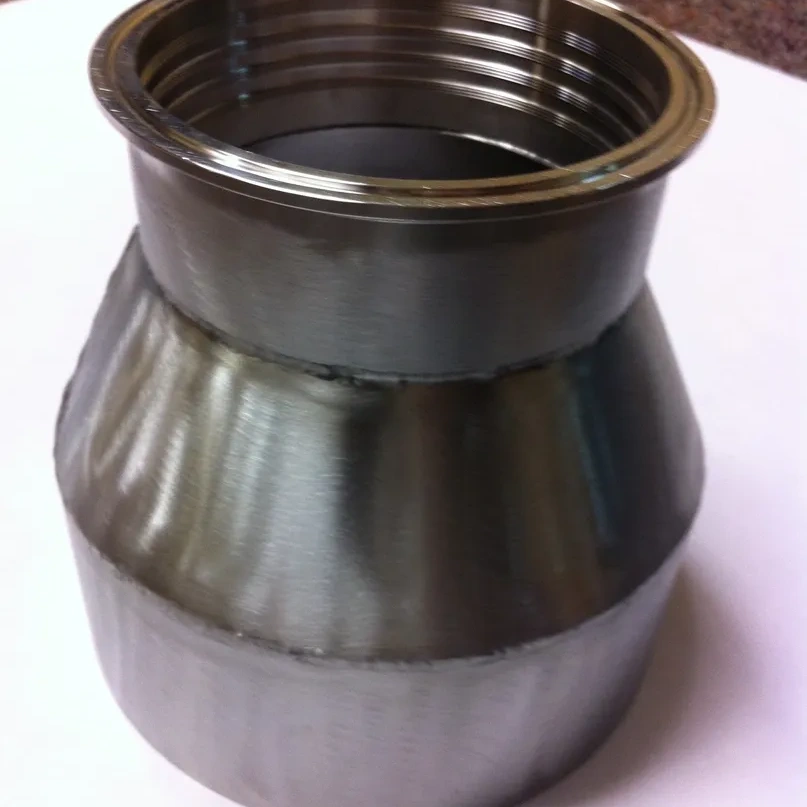
If the project uses stainless steel or places greater emphasis on polished / clean-finish fabrication, those requirements should be part of the same scope conversation.
Questions About Industrial Duct, Pipe or Fittings?
Industrial quote requests move faster when the application and connection details are clear.
What industrial components does Bradford fabricate?
Bradford fabricates weld duct, pipe components, pipe flanges, duct fittings, exhaust-related pieces, guards, covers, containers, and other project-specific industrial metal components.
Do you fabricate duct and fittings for plants or facilities?
Bradford can review duct, fitting, transition, and related fabrication requests for plants, facilities, manufacturers, and specialty industrial applications when the project scope and dimensions are supplied.
Can you fabricate a replacement or one-off industrial part?
Yes. Drawings, dimensions, photographs, sketches, or an existing sample can help define a replacement or non-standard fabricated component.
Do you provide engineered or pressure-rated piping systems?
If the project has those requirements, include them so the requested scope can be evaluated accurately.
What materials can be used?
Bradford works with stainless steel, blackened steel, brass, aluminum, copper, and other metals depending on the project. Industrial work should be quoted around the material actually specified for the application.
What should I send for an industrial fabrication quote?
Send dimensions, material, quantity, connection information, project location, target timing, drawings or sketches, photographs, and any project-specific requirements you already have.
REQUEST A QUOTE
Need an Industrial Duct or Pipe Fabrication Quote?
Send the part, drawing, dimensions, photographs, or scope you already have and describe what the finished component needs to do.