Bradford Custom Metal supports residential, commercial, and industrial fabrication projects in Birmingham and across Alabama, along with architects, contractors, builders, and project teams that need custom metalwork built around a specific application.
The environment changes what matters: fit and finish in a home, repeated use in a commercial space, function and durability in a facility, or clear scope information for an active project team.
The same fabrication capability can serve very different environments. A residential hood, commercial handrail, industrial transition, and architectural feature may all start with metal, but the project conditions around them are not interchangeable.
Bradford works across homes, businesses, facilities, plants, food-service environments, institutional spaces, and active construction projects. The useful details are the ones that explain where the piece will live, what it needs to fit, how it will be used, and what finish the project calls for.
A home kitchen, commercial lobby, plant floor, and active jobsite can place completely different constraints around the same basic component. Walls, cabinetry, stairs, equipment, platforms, clearances, openings, and connection points all affect the work.
Cleaning, moisture, heat, weather, touch, traffic, abrasion, process exposure, food-service use, and repeated handling can change material and finish decisions before the metal is ever cut.
The starting information may come from a homeowner, contractor, facility team, architect, restaurant operator, maintenance group, or manufacturer. Drawings, photographs, dimensions, specifications, and samples all help define the actual scope.
Products cross industry lines. The same basic category can be residential, commercial, architectural, or industrial depending on where it is used and what the project requires.
Material selection should follow the application. A metal chosen for a residential focal point may be evaluated very differently from one used around food service, exterior exposure, repeated commercial contact, or industrial equipment.
Bradford works with stainless steel, blackened steel, brass, aluminum, and copper across a wide range of project types. The useful choice depends on what the material needs to handle and how visible the finished surface will be.
Appearance, moisture, cleaning, heat, touch, wear, corrosion exposure, weight, surrounding construction, and the desired finish can all influence the decision. The same metal may also need a different finish in a residential kitchen, a public-facing commercial space, or an active industrial facility.
The project does not need to arrive in one prescribed format. The useful starting point is enough information to understand the component, the environment, and what the finished work needs to accomplish.
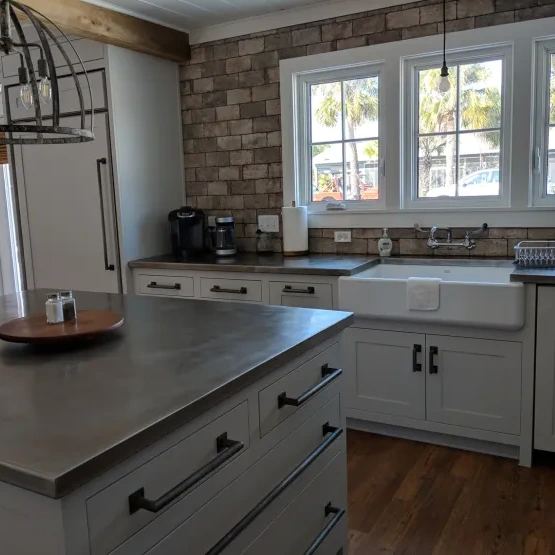
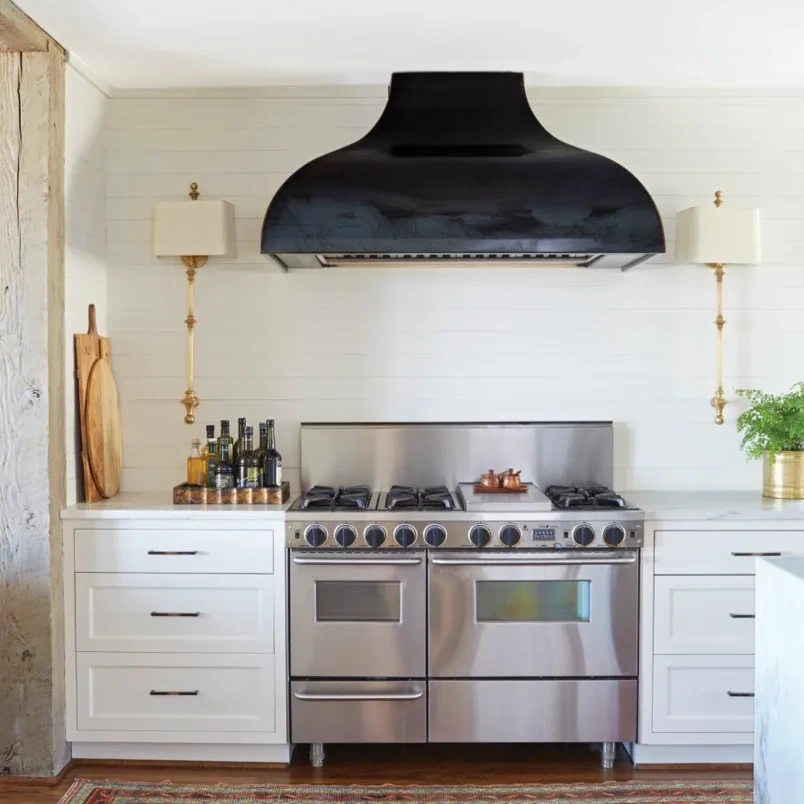
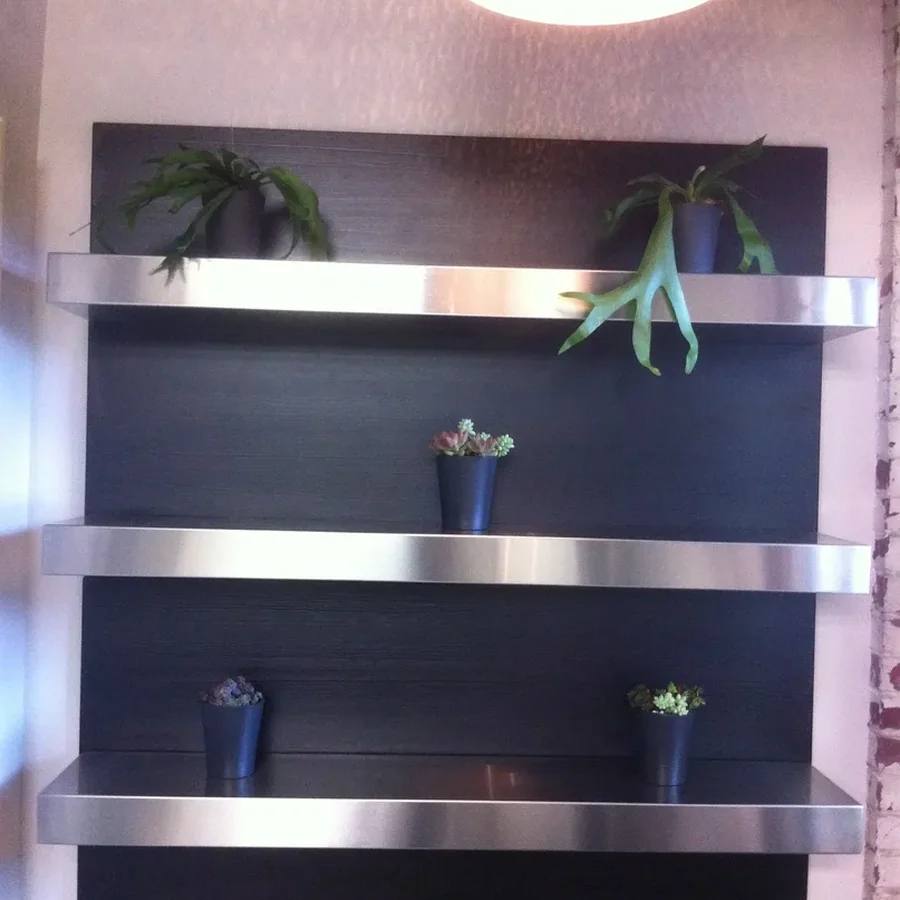
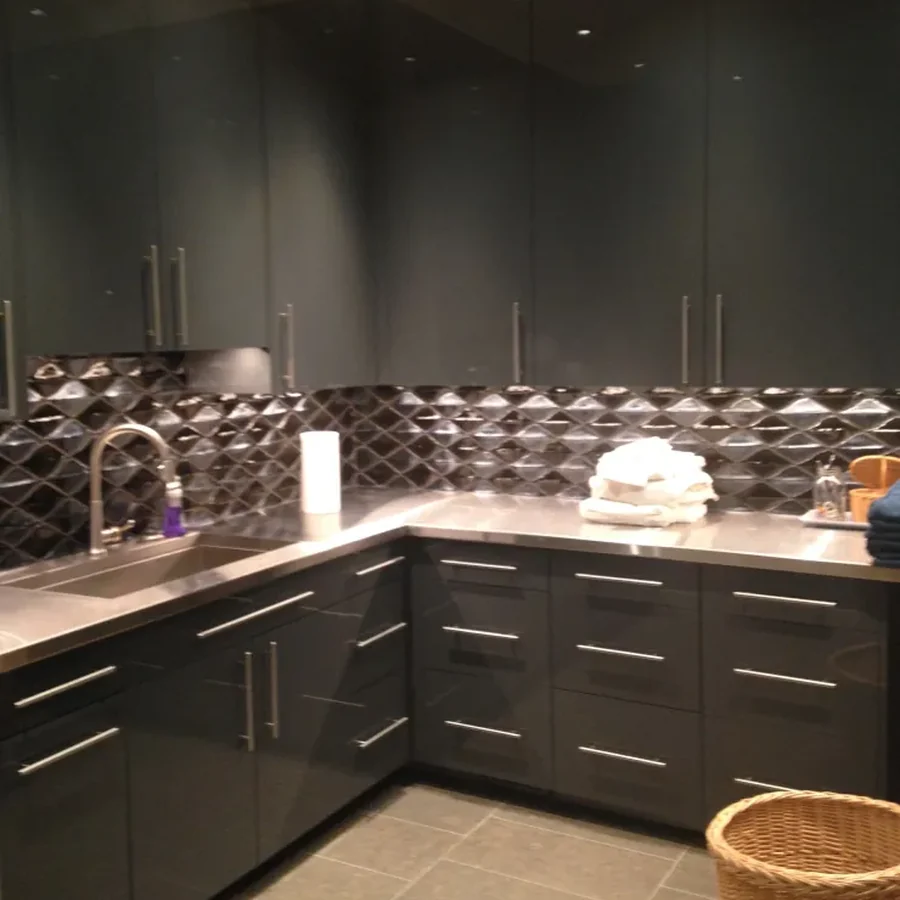
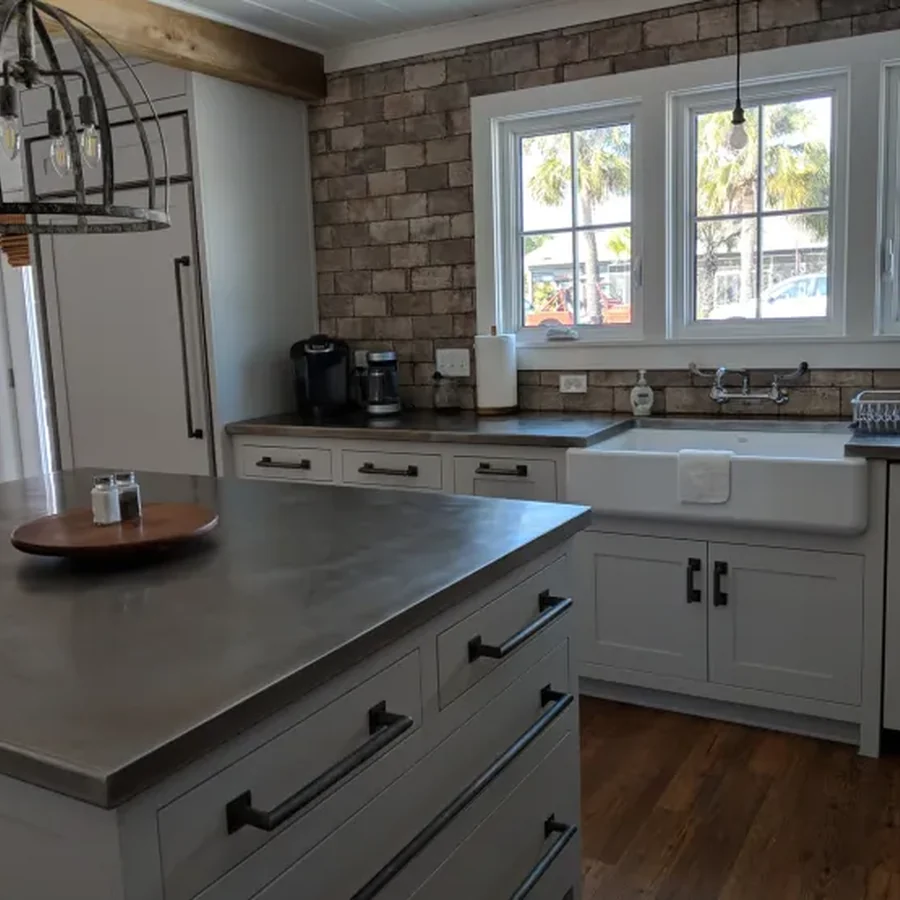
Residential work can begin with photographs, measurements, plans, finish references, cabinetry information, or a defined feature such as a hood, countertop, backsplash, handrail, shelving, or sink.
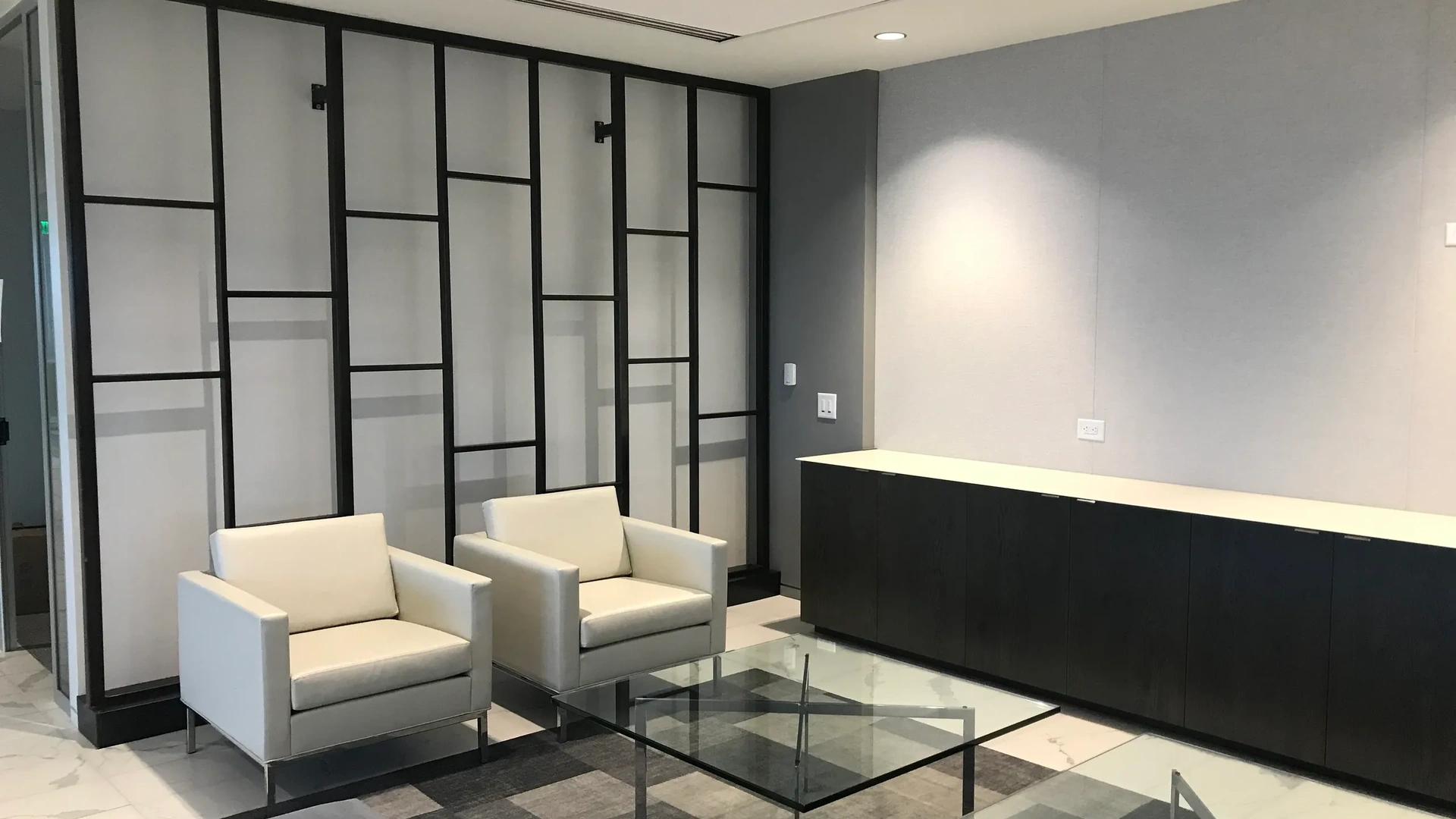
Commercial projects may come from restaurant operators, hospitality teams, healthcare or institutional facilities, offices, property teams, contractors, or owners working around active spaces and real operating conditions.
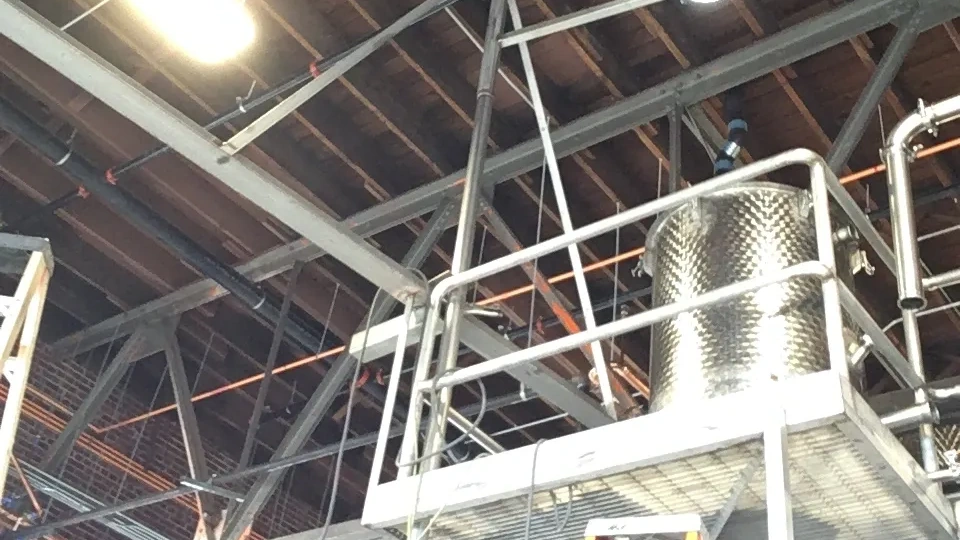
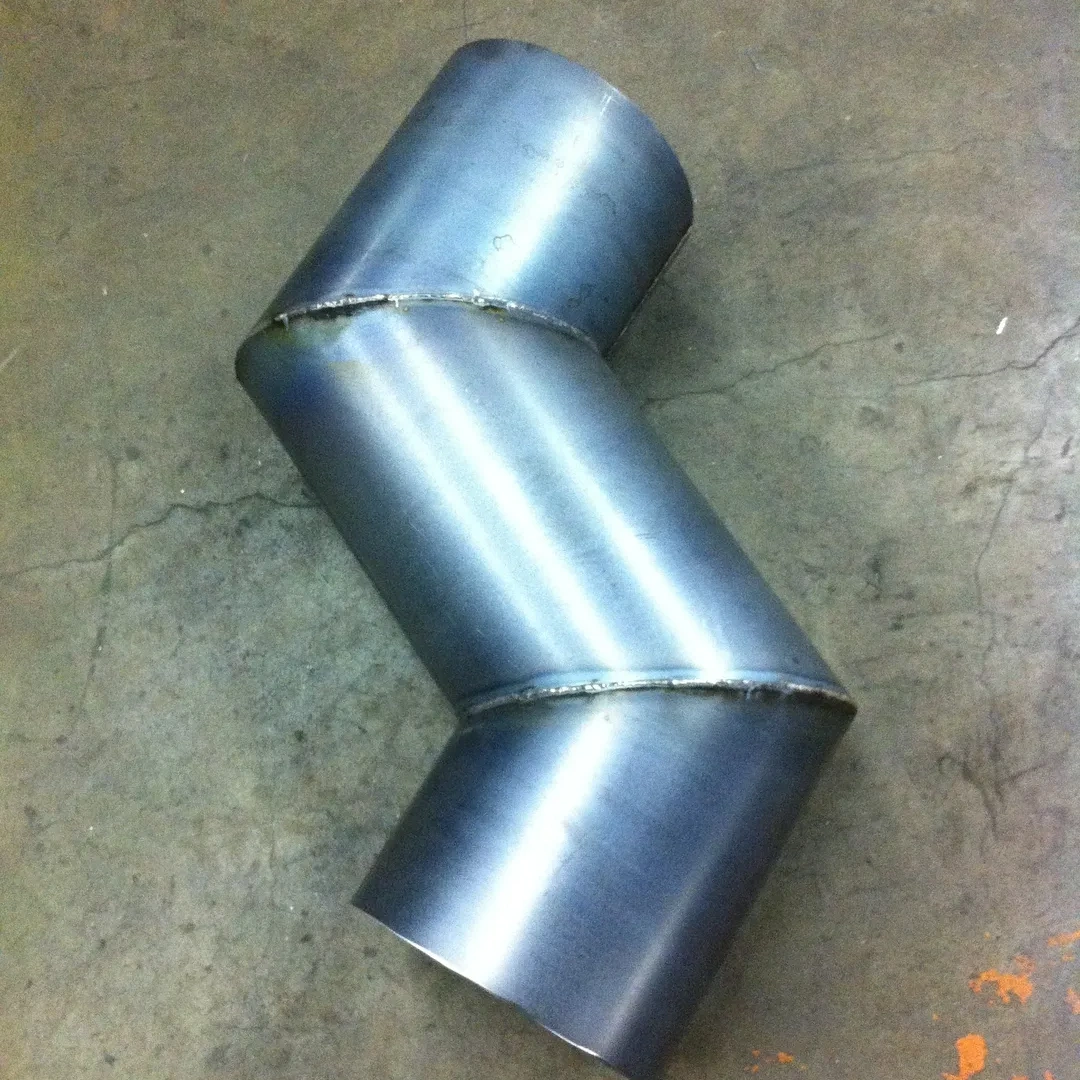
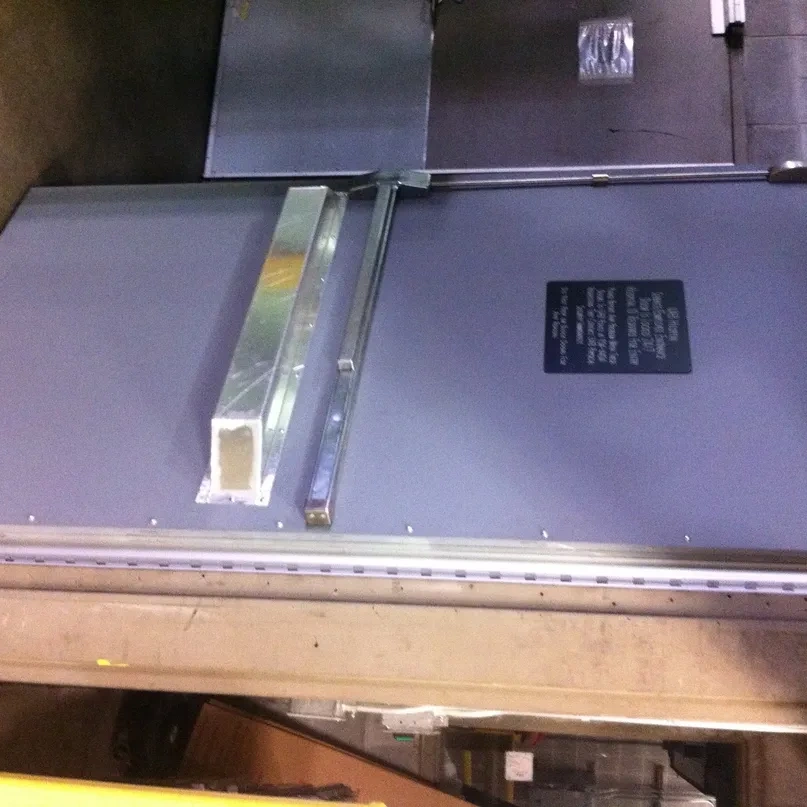
Industrial work often begins with a component, replacement need, sample, drawing, connection condition, facility photograph, or application that needs custom duct, pipe, fittings, guards, containers, platforms, covers, or specialty fabrication.
Start with what you are building, where the metal will be used, and the project information you already have. Bradford is based in Birmingham and can frame the fabrication conversation around the application rather than forcing the work into a category.
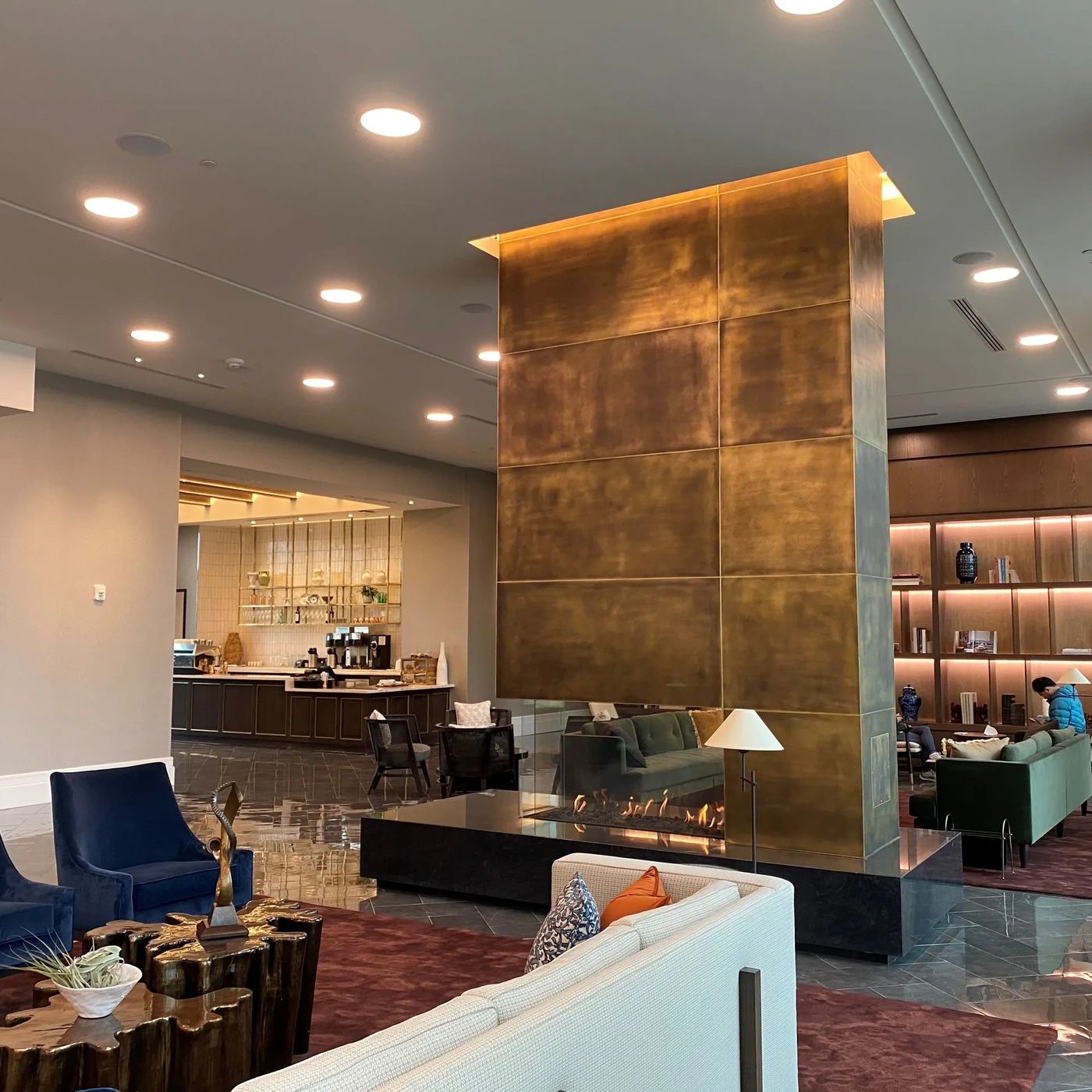
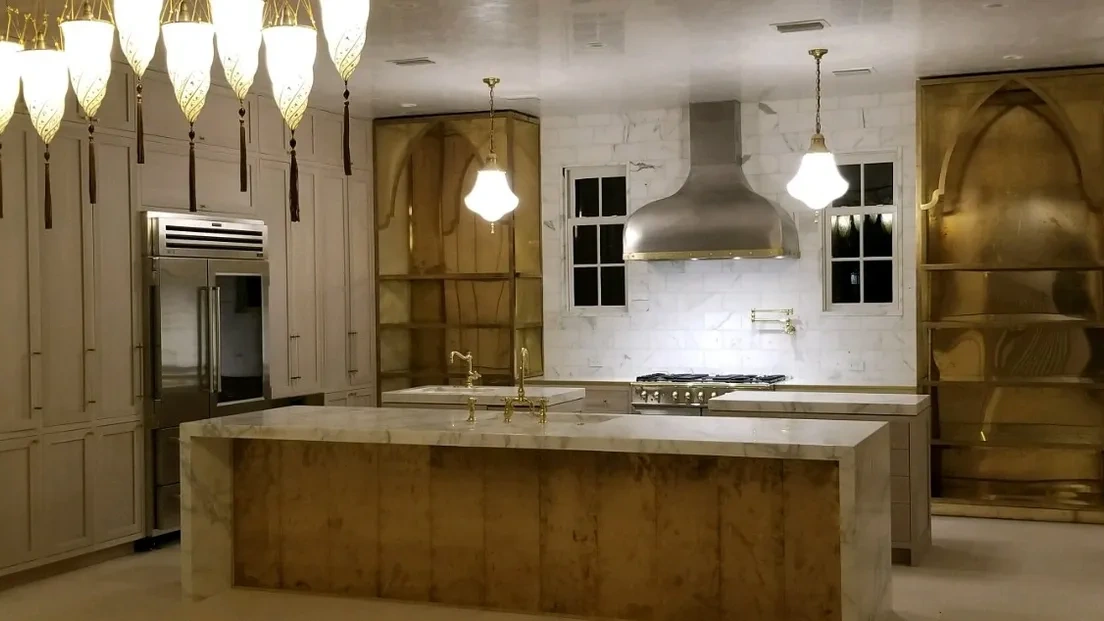
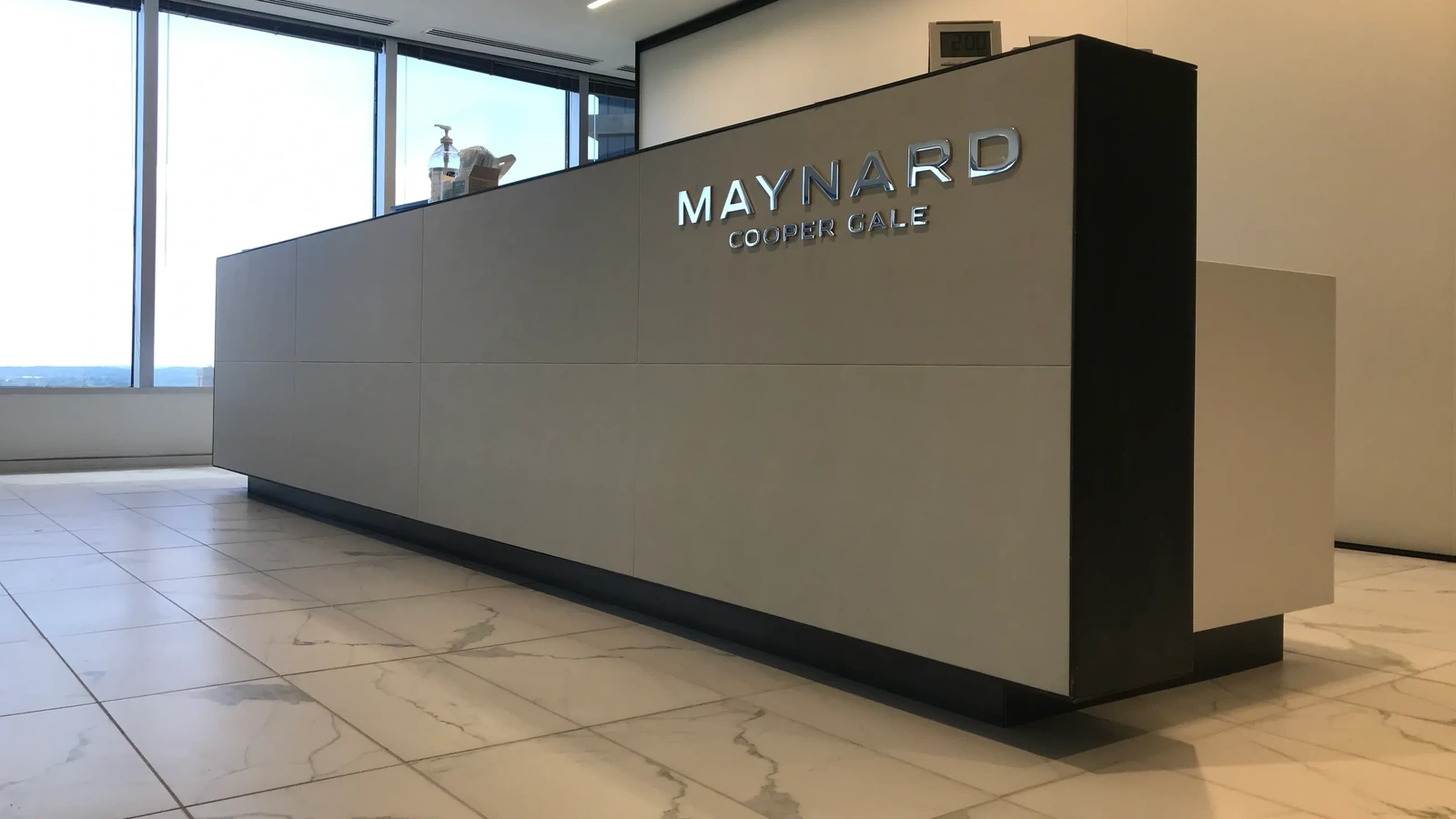
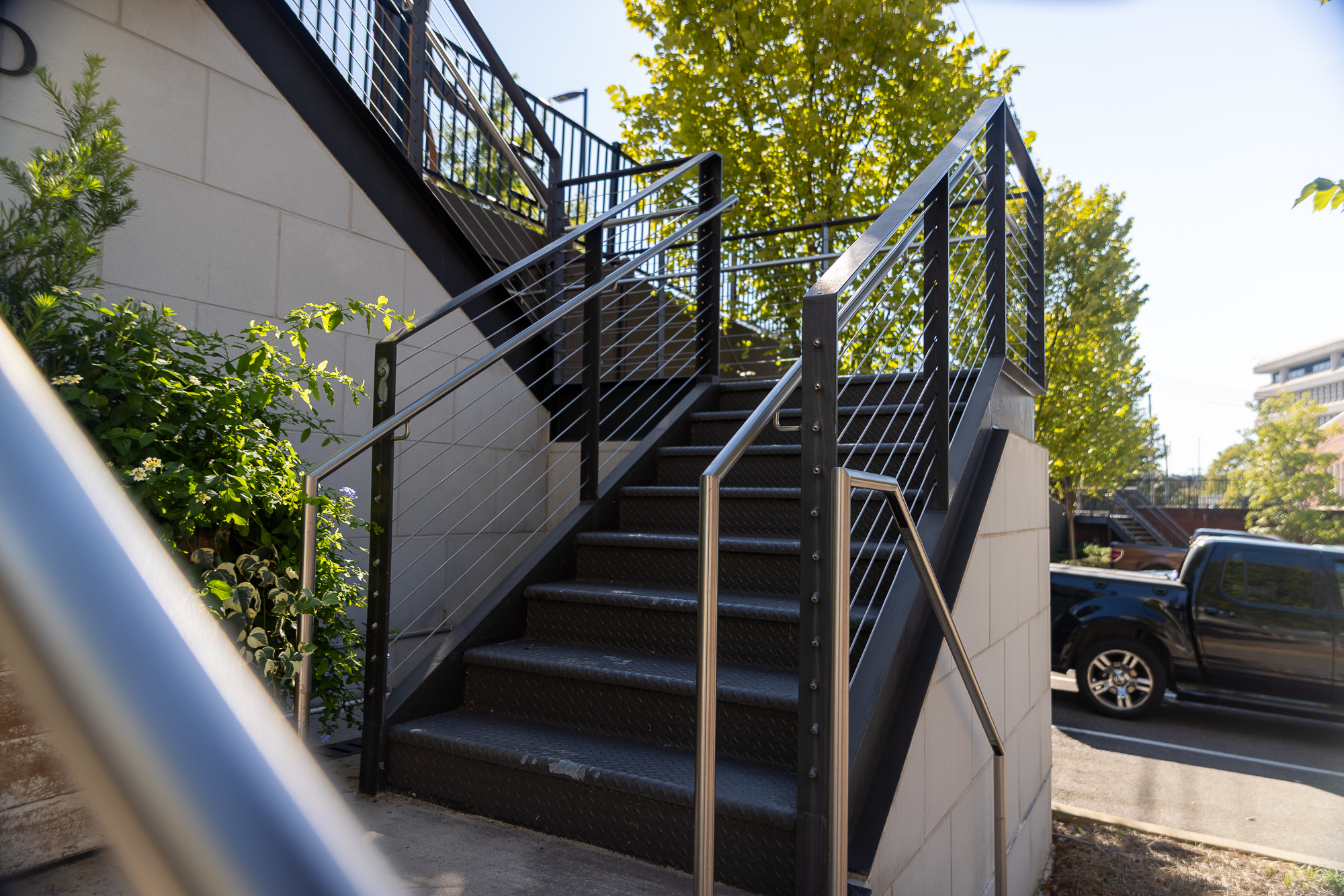
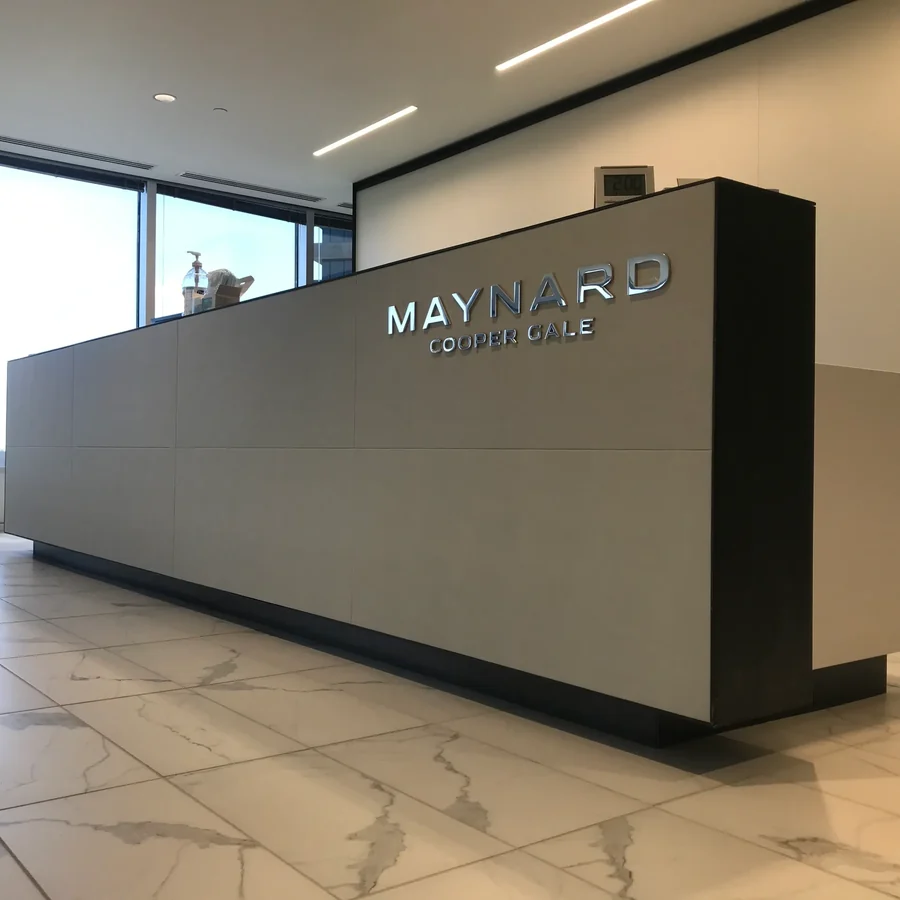
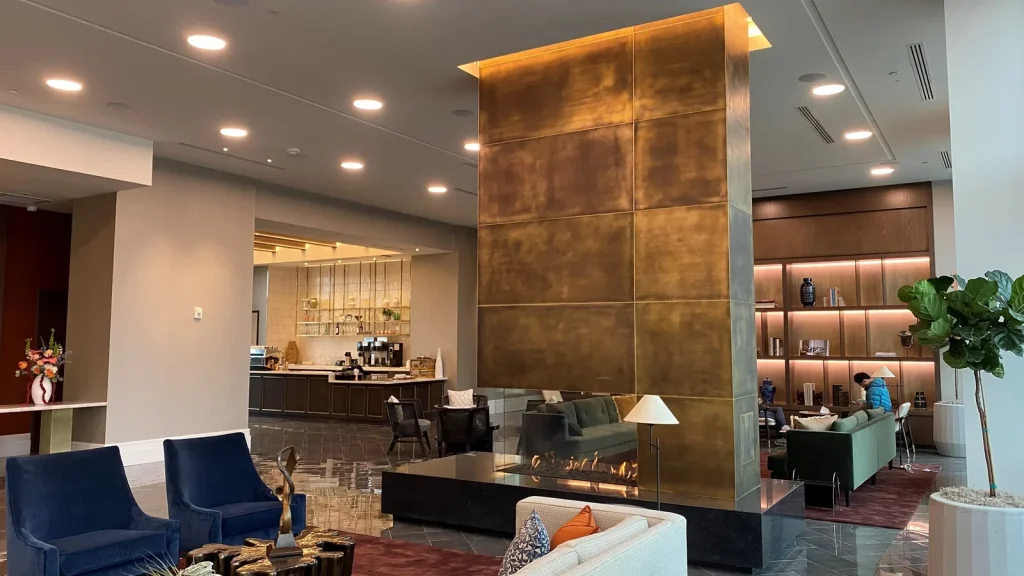
Finished projects are where the market context becomes visible: a material that belongs in the room, a rail that fits the architecture, a commercial surface shaped around daily use, or an industrial component built around the system beside it.


The industry tells us where the component will live. The project details tell us what the fabrication actually needs to be.
Bradford supports residential, commercial, and industrial custom metal fabrication, along with architects, contractors, builders, owners, facility teams, and other project groups working across those environments.
Yes. Residential work can include countertops, backsplashes, kitchen hoods, handrails, shelving, sinks, and specialty metalwork. Bradford can review inquiries from homeowners as well as builders, contractors, designers, and other residential project teams.
Commercial fabrication can support restaurants, food-service spaces, hospitality, healthcare, institutions, offices, businesses, public-facing interiors, facilities, and other commercial environments depending on the project.
Yes. Industrial work can include duct, pipe components, fittings, guards, containers, platforms, covers, bollards, fume-related components, and other project-specific fabricated metal parts. Any engineering, pressure, code, OSHA, or installation requirements should be identified separately rather than assumed.
Bradford can review project-driven fabrication requests from architects, contractors, builders, project managers, and related teams. Drawings are useful, but measurements, photographs, sketches, specifications, and application notes can also help define the scope.
The same product or material can appear across multiple industries, but the environment changes the priorities. Fit, cleaning, heat, moisture, weather, traffic, touch, exposure, surrounding construction, process conditions, and desired finish can all influence the fabrication.
Send the project type, intended use, approximate dimensions, material or finish preferences, project location, target timing, and any drawings, photographs, sketches, specifications, or sample information you already have.
Tell us what you are building, where the metal will be used, and what information you already have. The industry is useful context; the actual project defines the fabrication.