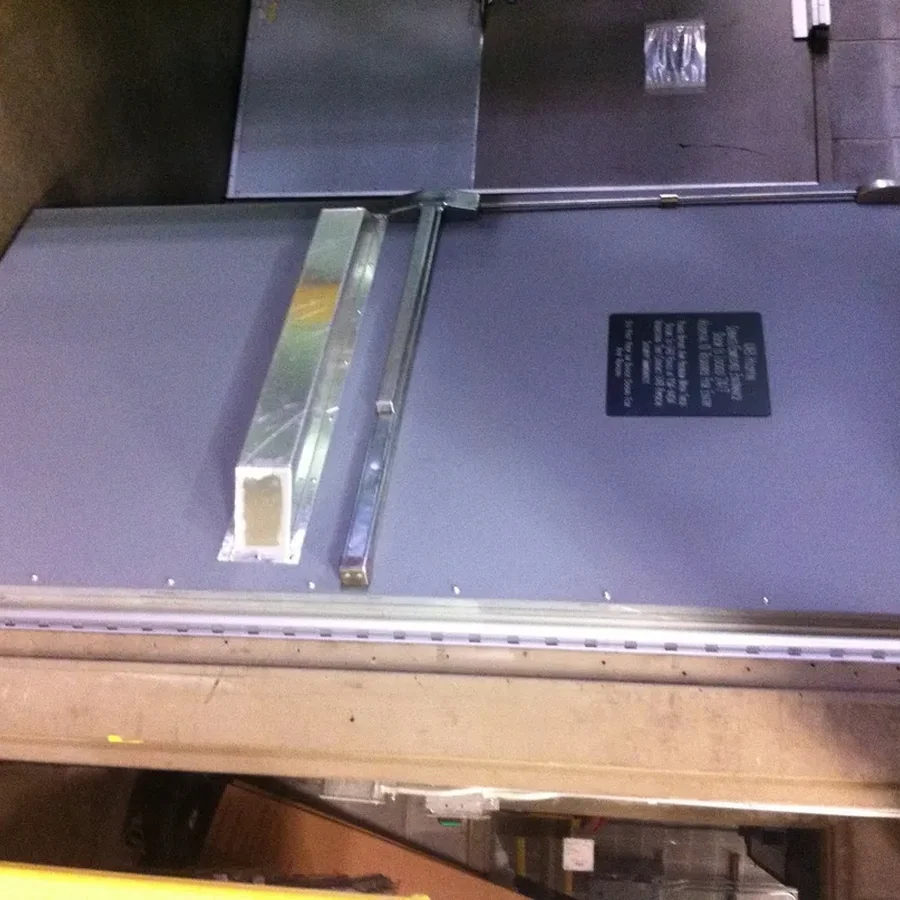
Bradford Custom Metal provides custom industrial metal fabrication for plants, facilities, manufacturers, processing environments, and project teams across Alabama.
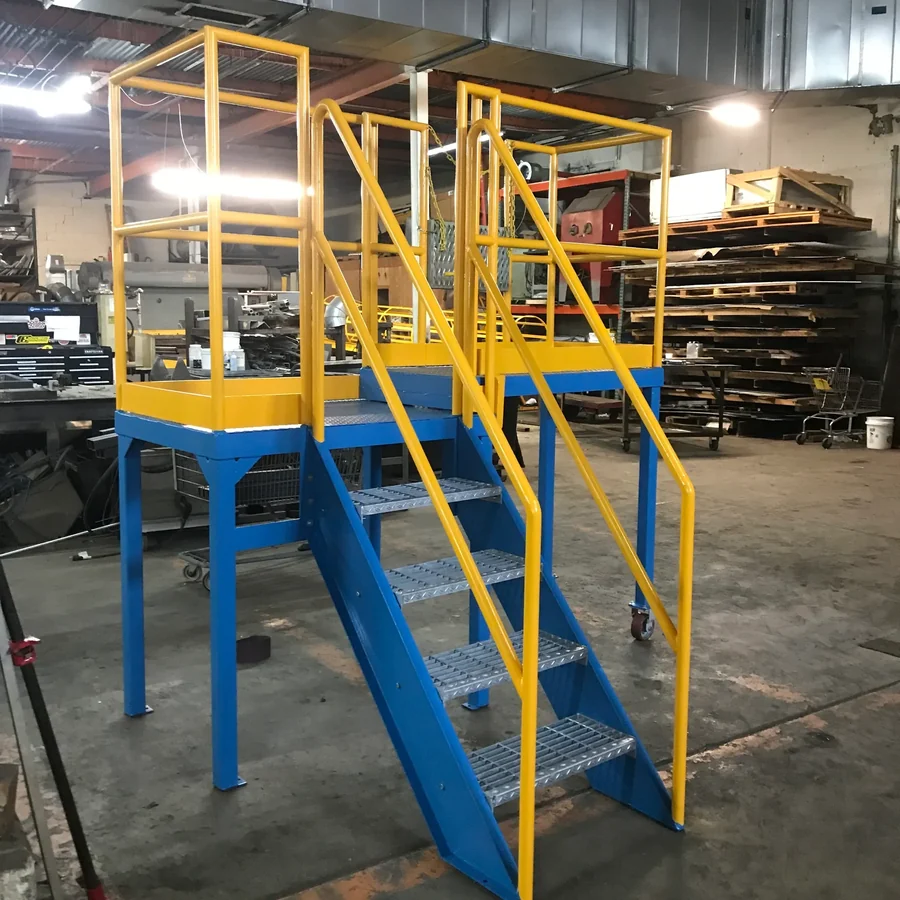
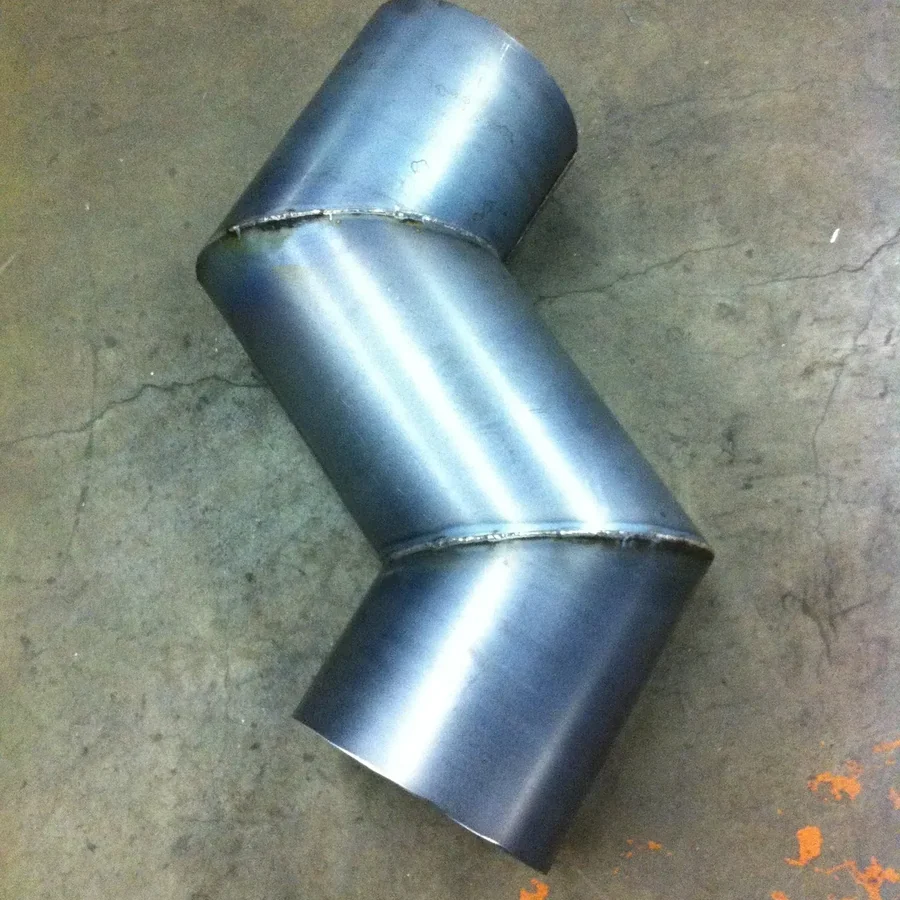
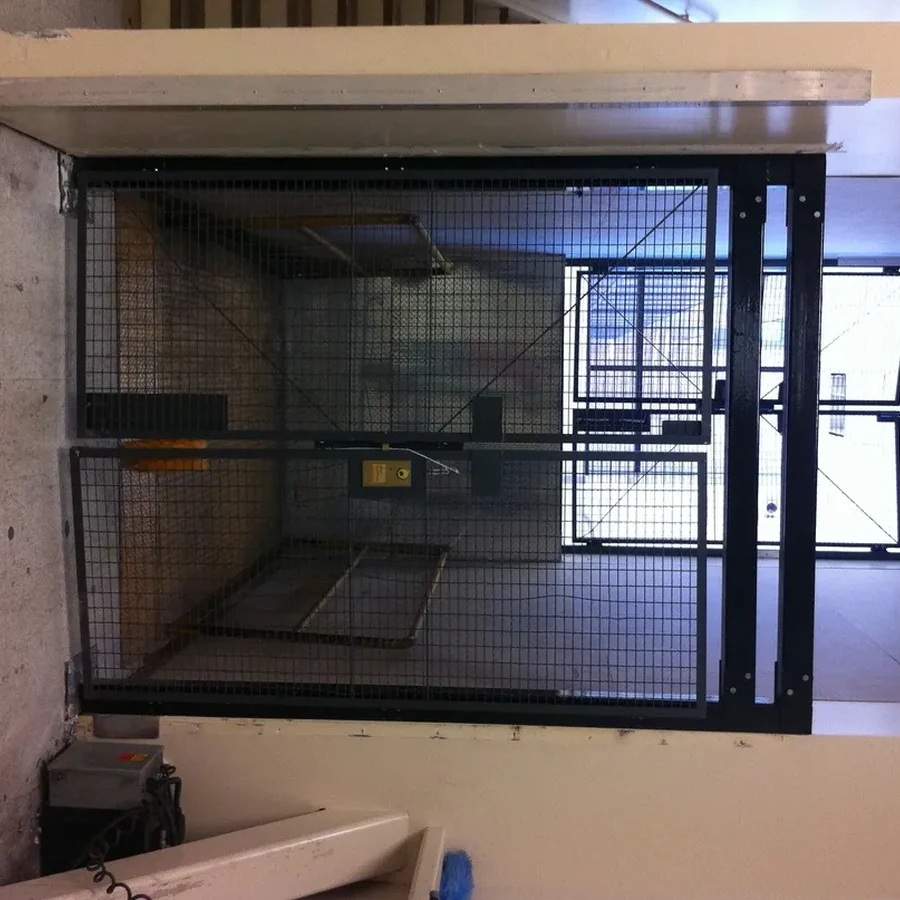
The work includes duct, pipe, fittings, guards, containers, fume-hood components, bollards, covers, and specialty fabricated parts built around project-supplied requirements.
PLANTS + FACILITIES
Custom Fabrication for Active Industrial Environments.
Industrial fabrication is usually driven by the condition around the part. Existing equipment, connections, clearances, process needs, exposure, access, wear, and replacement conditions can all matter more than the category name.
Bradford works from the project information supplied: dimensions, drawings, photographs, samples, material, finish, connection details, quantity, and the role the finished component needs to play.
Plants and facilities often need parts that relate directly to existing systems, operating conditions, equipment, clearances, and project-specific requirements.
01
Application-Specific Fabrication
A transition, guard, fitting, cap, container, cover, or one-off component is most useful when it is built from the actual dimensions and conditions of the project.
02
Durable Materials & Finishes
Material, exposure, heat, moisture, wear, handling, cleaning, and surrounding process conditions can all affect what makes sense.
03
Facility-Focused Components
Bradford can review project-specific parts for active facilities when drawings, dimensions, photographs, or an existing sample help define the scope.
INDUSTRIAL APPLICATIONS
Fabricated Components for Plants & Facilities
These categories represent common industrial work, but the useful scope comes from the dimensions, material, connections, use, and site condition behind the component.
Custom stainless containers and fabricated components for food-processing or preparation environments with project-defined finish and use requirements.
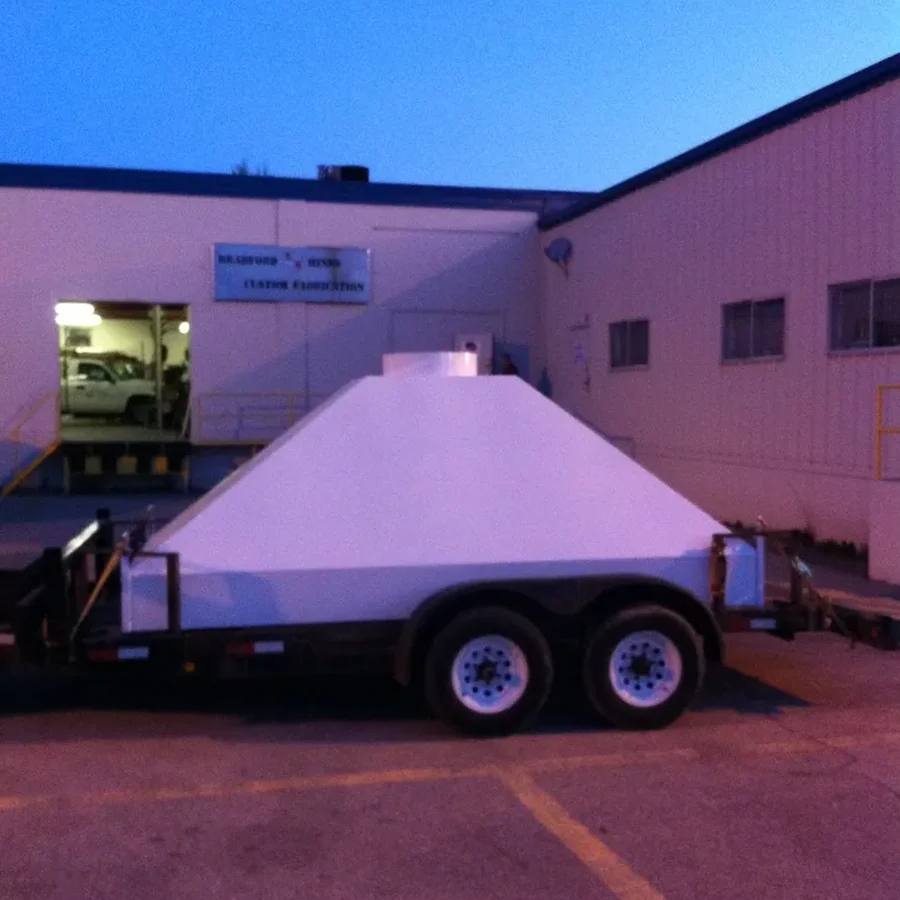
Custom metal components associated with industrial fume, exhaust, process, or specialty facility applications when the fabrication scope is clearly defined.
Industrial work benefits from specific project information more than generic claims about strength or precision.
01
Built for Active Facilities
Manufacturing, processing, maintenance, replacement, airflow, access, food-processing, and specialty facility work can each create different fabrication requirements.
02
Shaped Around Function & Durability
Dimensions, connections, material, exposure, wear, cleaning, process conditions, and surrounding equipment should define the component.
03
Support for Industrial Project Teams
Facility teams, contractors, manufacturers, maintenance groups, project managers, and other buyers can start with drawings, dimensions, photographs, or an existing sample.
WHAT HELPS DEFINE THE SCOPE
Send the Information That Makes the Component Specific.
An industrial request does not need polished presentation material. It needs enough information to understand the part and the condition around it.
01
Component / Application
What is being fabricated and what the finished part needs to do.
02
Dimensions
Overall size, openings, connections, clearances, and relevant existing conditions.
03
Material
Specified metal, thickness or other material information if already known.
04
Quantity
One replacement piece, a small run, or multiple project components.
05
Connection Details
Flanges, fittings, interfaces, mounting points, transitions, or adjacent equipment.
06
Drawings / Photos
Plans, sketches, photographs, marked-up field information, or an existing sample.
07
Project Location
Facility, city, and any project context that affects the scope.
08
Requirements
Any engineering, pressure, code, inspection, documentation, safety, or installation requirements that must be evaluated separately.
PROJECT WORKFLOW
From Industrial Need to Finished Fabrication
A straightforward project path keeps the work centered on what actually needs to be fabricated.
01
Start the Conversation
Share the part, application, dimensions, drawings, photographs, sample, or facility need already identified.
02
Define the Scope
Material, quantity, connection details, finish, project requirements, and target timing are clarified around the component.
03
Fabrication & Finishing
The agreed component is fabricated and finished around the defined project information.
04
Ready for the Next Phase
Finished fabrication is prepared for the next stage of the facility or project. Engineering, pressure-rating, code, OSHA, or installation responsibility is not implied.
BIRMINGHAM + ALABAMA
Industrial Fabrication From a Birmingham Shop.
Bradford Custom Metal is based in Birmingham and supports industrial fabrication needs across Alabama with project-specific metal components and specialty work.
Industrial inquiries move faster when the application, dimensions, material, connection details, and project requirements are clear.
What industrial work does Bradford fabricate?
Bradford fabricates duct, pipe components, fittings, guards, containers, fume-hood components, bollards, covers, transitions, and other specialty industrial metal parts depending on the project.
Who does Bradford work with on industrial projects?
Industrial inquiries can come from plants, facilities, manufacturers, processing operations, maintenance groups, contractors, project managers, and other project teams.
Can you fabricate replacement or one-off parts?
Yes. Drawings, dimensions, photographs, sketches, or an existing sample can help define a replacement or non-standard fabricated component.
Do you provide pressure-rated or ASME fabrication?
This page does not claim pressure-rated systems, ASME fabrication, engineering design, code-certified piping, OSHA compliance responsibility, or installation. If a project has those requirements, provide them so the requested fabrication scope can be evaluated accurately.
What materials do you work with?
Bradford works with stainless steel, blackened steel, brass, aluminum, copper, and other metals depending on the project. Industrial work should follow the material specified for the actual application.
What should I send for an industrial quote?
Send the component, intended function, dimensions, material, quantity, connection information, project location, target timing, drawings, sketches, photographs, sample information, and any project-specific requirements.
REQUEST A QUOTE
Need an Industrial Metal Fabrication Quote?
Send the part, drawings, dimensions, photographs, material, and the conditions the finished component needs to work within.